
Velki Account Safety Guide: Simple Ways to Protect Your Account, Contacts & Personal Data
Online account security is something we often overlook until a problem occurs. Whether you’re managing login details, communicating with an agent, or checking account-related information, a little extra caution can make a big difference.
That’s where a reliable Velki account safety guide becomes useful. Protecting your personal information doesn’t have to be complicated. By following a few practical security habits, you can reduce common risks and stay more careful when handling your account details.
In this Velki account safety guide, we’ll walk through some important things you should know, including password protection, contact verification, personal data privacy, suspicious messages, and ways to respond if something doesn’t look right.
1. Keep Your Velki Account Login Information Secure
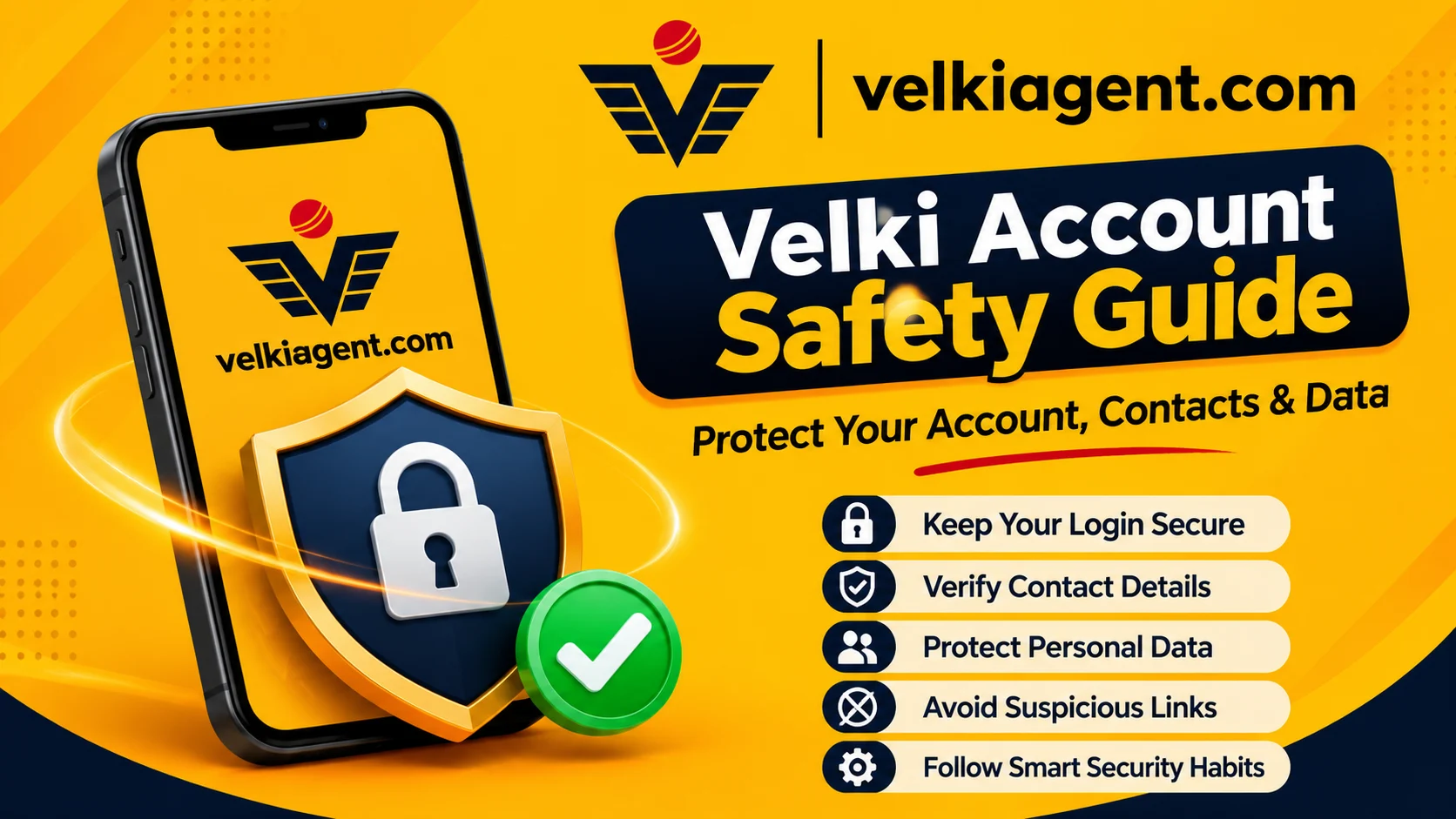
Your login information is the first thing you should protect. A weak or reused password can make an account easier to compromise, especially if you’ve used the same password on multiple websites.
For better protection, create a strong and unique password that isn’t connected to your name, birthday, phone number, or other easily guessed information.
Here are a few simple habits to follow:
- Use a different password for every important online account.
- Avoid sharing login information through WhatsApp, Telegram, or SMS.
- Use a trusted password manager to store complicated passwords.
- Never save your password on a public or shared computer.
- Change your password if you suspect someone else has access to it.
If additional security options, such as two-factor authentication, are available, consider enabling them.
Remember that your associated email account also needs protection. Someone who gains access to your email may be able to interfere with password recovery and other account-related processes.
A good Velki account safety guide should always start with protecting login credentials because they are among the most important parts of your online security.
2. Always Check Contact Details Before Trusting Anyone
Another important part of this Velki account safety guide is understanding how to check contact information.
Sometimes, people trust a phone number simply because it has been saved in their contact list for a long time. Others may believe a WhatsApp profile because it uses a familiar name or logo.
However, these details alone cannot confirm someone’s identity.
Before contacting anyone about an account-related matter, take a moment to check the available information.
Things worth checking include:
- Contact number: Compare the number with the latest information available from a source you have independently checked.
- Public ID: If an agent or contact ID is displayed, check whether it matches the intended listing.
- Contact category: Understand whether the person is listed as an agent, administrator, or customer service representative.
- Information source: Be careful with numbers collected from forwarded messages, old screenshots, or random social media comments.
If you notice a difference between an old number and a currently published number, don’t rush into communication.
Stop and investigate the discrepancy first.
Even when a contact’s details appear to match, that does not automatically prove that the person is legitimate. Taking time to verify information is a much better habit than trusting appearances.
3. Protect Your Personal Contacts and Private Information
Your personal data deserves attention just as much as your login credentials.
Your phone may contain hundreds of saved contacts, including friends, family members, colleagues, and other personal connections. Sharing this information unnecessarily can create privacy risks for people other than yourself.
This Velki account safety guide recommends checking application permissions before allowing an app to access your device information.
For example, an application may request access to:
- Your contact list
- Photos and media files
- Camera and microphone
- Location information
- Device storage
Not every application needs access to all these features.
On Android, you can review app permissions through your device settings. On iPhone, check the relevant options under Settings and Privacy & Security.
A few useful privacy habits include:
- Deny contact access when it isn’t necessary.
- Avoid sharing screenshots containing other people’s phone numbers.
- Review app permissions from time to time.
- Remove applications that you no longer use or trust.
- Avoid installing unfamiliar APK files from unknown websites.
Protecting your personal information also means respecting the privacy of people whose details are stored on your phone.
4. Be Careful When Sharing Payment Information
Payment-related information should always be handled carefully.
When discussing an account or transaction issue, someone may request screenshots, transaction references, or other financial details. Before sharing anything, make sure you understand why the information is needed and who will receive it.
Never disclose sensitive financial credentials, including:
- Mobile banking PINs
- Online banking passwords
- Card security codes
- One-time verification codes
- Full payment account credentials
If you need to explain a transaction problem, provide only the minimum information necessary.
For example, a transaction reference may be useful when discussing a payment issue. However, a screenshot showing your complete account details could expose information that the recipient doesn’t need.
Another important point in this Velki account safety guide is that a previous successful transaction doesn’t guarantee that every future payment request is safe.
Always check the details before taking action.
5. Recognize Fake Messages and Suspicious Links
Suspicious messages are one of the common ways people lose control of their online accounts.
A fake message may look like a normal notification. It could claim that your account has a problem, that your password needs immediate updating, or that you must open a particular link to avoid losing access.
These messages often create unnecessary urgency.
Instead of reacting immediately, take a moment to check whether the message makes sense.
Common warning signs include:
- Requests for passwords or verification codes.
- Unfamiliar or misspelled website addresses.
- Messages threatening immediate account closure.
- Unexpected payment requests.
- Promises of guaranteed results or unrealistic rewards.
- Pressure to click a link without checking its source.
If you receive something suspicious, avoid opening the link or downloading attachments.
Visit a website through an address you have independently verified rather than relying on a link sent in an unexpected message.
Following this advice can help you avoid phishing attempts and protect the information associated with your account.
6. Keep Important Account and Contact Records
Keeping a few important records can make it easier to understand what happened if an issue develops later.
For example, you might communicate with a contact about an account-related question and discover that the number or displayed information has changed.
Without any previous records, reviewing the situation may become difficult.
You can maintain a small collection of useful information, such as:
- Contact names and publicly displayed IDs.
- Dates and times of important conversations.
- The webpage where you found a contact.
- Relevant transaction reference numbers.
- Screenshots of important messages.
Store these records in a secure location, preferably a protected folder or encrypted storage service.
Avoid posting private records publicly or forwarding them to unrelated people.
You should also remove unnecessary personal information when you no longer need it, while keeping any records required for an unresolved issue.
7. Secure the Phone or Computer You Use
A strong password is important, but it cannot protect everything if the device itself is compromised.
That’s why this Velki account safety guide also focuses on basic device security.
Whether you use an Android phone, iPhone, laptop, or desktop computer, try to follow these precautions:
- Keep your operating system and browser updated.
- Use a screen lock or device password.
- Avoid downloading applications from unfamiliar sources.
- Don’t enter sensitive information on untrusted devices.
- Log out whenever you use a shared computer.
- Review unfamiliar applications and remove anything suspicious.
If your phone is lost or stolen, take action as soon as possible. Secure your associated email and important accounts, revoke unfamiliar active sessions where possible, and contact the relevant service providers.
These steps can help protect more than one online account. They also reduce the risk of exposing your wider digital identity.
8. What Should You Do If You Notice Suspicious Account Activity?
Sometimes, you may receive an unexpected verification code, notice an unfamiliar login attempt, or discover messages that you didn’t send.
If something like this happens, don’t panic. Focus on protecting your information first.
Follow these steps:
Step 1: Stop sharing information. Avoid providing additional passwords, verification codes, or payment details.
Step 2: Change compromised passwords. Use a trusted login or account recovery process to update affected credentials.
Step 3: Secure your email account. Check its security settings because email access may be connected to account recovery.
Step 4: Review active sessions. If the service provides this option, sign out devices you don’t recognize.
Step 5: Keep relevant evidence. Save important screenshots, dates, messages, and transaction references.
Step 6: Contact verified support. Use a support channel that you have independently checked.
Step 7: Protect financial accounts. If banking or payment information may have been exposed, contact your bank or payment provider promptly.
Be especially careful with people who unexpectedly offer account recovery services in exchange for money.
Never give an unknown person your password, banking PIN, or verification code in the name of account recovery.
9. Make Account Security Part of Your Daily Routine
Online security isn’t something you should think about only when a problem occurs.
A few small habits can make your digital activities more secure over time.
For example, regularly check your saved contact details, review application permissions, update your passwords when necessary, and pay attention to unexpected account notifications.
If you communicate with different contacts, avoid depending entirely on old phone numbers or previously saved information.
It’s also important to understand the wider risks associated with online betting. No website or individual should be assumed to guarantee financial returns or betting outcomes. Always check the laws applicable in your location, follow age restrictions, and consider the financial risks before using such services.
The main purpose of this Velki account safety guide is to encourage careful decisions, better privacy habits, and responsible handling of personal information.
Frequently Asked Questions About Velki Account Safety
1. How can I keep my Velki account secure?
Start with a strong, unique password and protect the email account associated with your login. Avoid sharing verification codes, review suspicious messages, and enable additional security features whenever they are available.
2. How can I check whether a Velki contact number is genuine?
Compare the current number, displayed ID, contact category, and other available information against an independently checked source. Don’t rely only on WhatsApp profile pictures, saved contact names, or forwarded screenshots. Matching information alone cannot guarantee someone’s identity.
3. Should I share my password with Velki customer support?
No. You should never disclose your password or one-time verification code to someone claiming to be a customer support representative.
4. Can an application access my phone contacts?
An application may request permission to access your contacts, depending on its design and your device settings. Review the permission request carefully and deny access if it isn’t necessary.
5. What should I do if I receive a suspicious account message?
Don’t rush to open unfamiliar links or download attachments. Avoid sharing private information, preserve relevant evidence, and independently verify the sender before contacting any support channel.
6. What happens if my account information is exposed?
The consequences depend on the type of information exposed. Change compromised passwords, secure connected email accounts, review account activity, and contact your bank or payment provider if financial information may be at risk.
7. Why should I check contact information regularly?
Contact numbers, public IDs, and other details may change over time. Checking current information helps you identify inconsistencies and avoid relying on outdated messages or saved numbers.
Final Thoughts: Follow This Velki Account Safety Guide
Keeping your online information safe doesn’t require advanced technical knowledge. What matters most is developing a few sensible habits and using them consistently.
This Velki account safety guide covers the essential areas of online account protection, from creating strong passwords and checking contact details to managing app permissions and recognizing suspicious messages.
Remember that no online service or contact should automatically be considered risk-free. A familiar logo, an old screenshot, or a matching contact name is not enough to establish trust.
Before sharing private information, opening an unexpected link, or responding to a payment request, take a moment to check the details.
By following the recommendations in this Velki account safety guide, you can become more aware of common online risks and make better decisions about your personal information.
Your privacy matters, so make account security a regular habit rather than something you consider only after a problem occurs.